

Most Popular Products
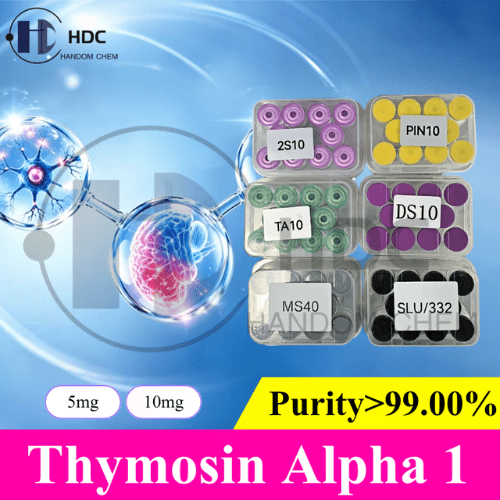
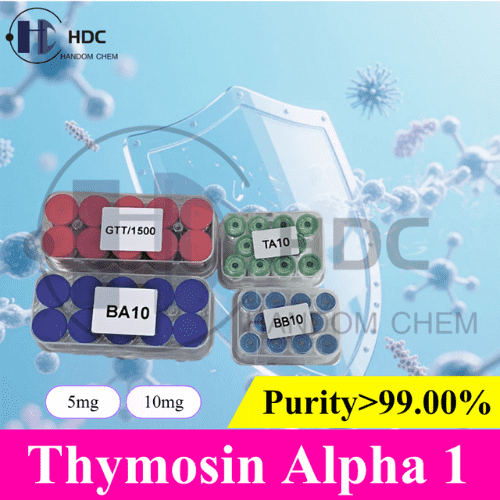
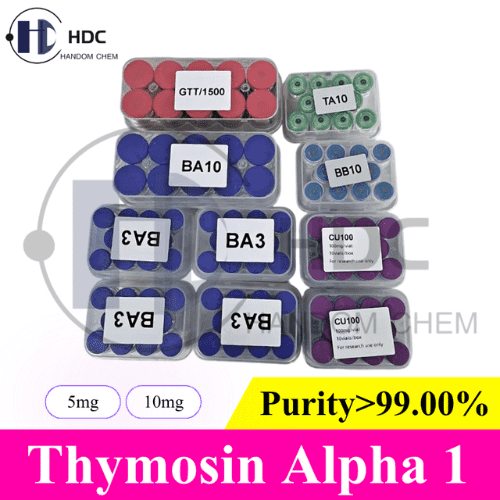
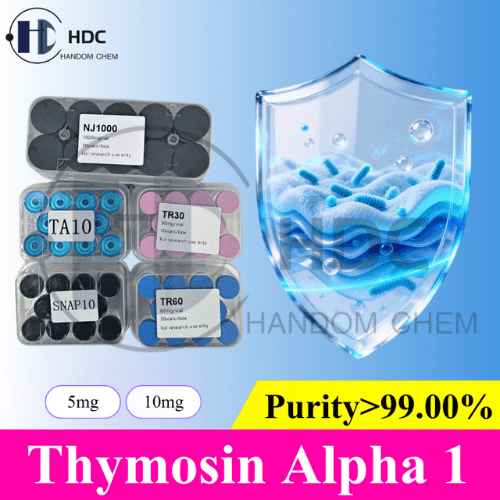
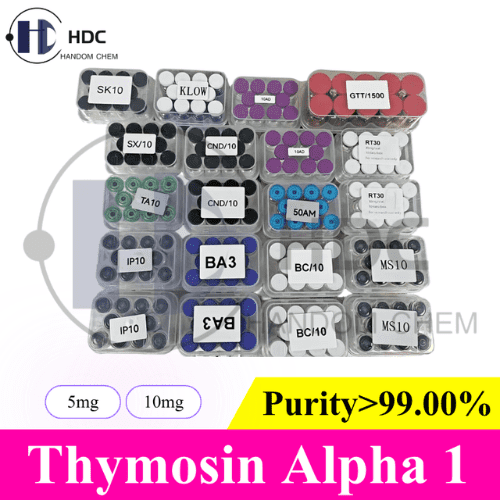
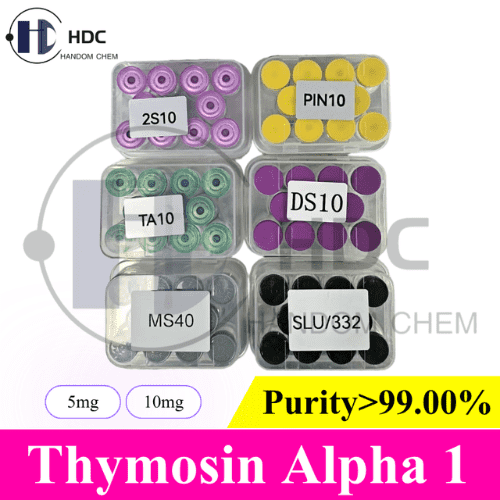
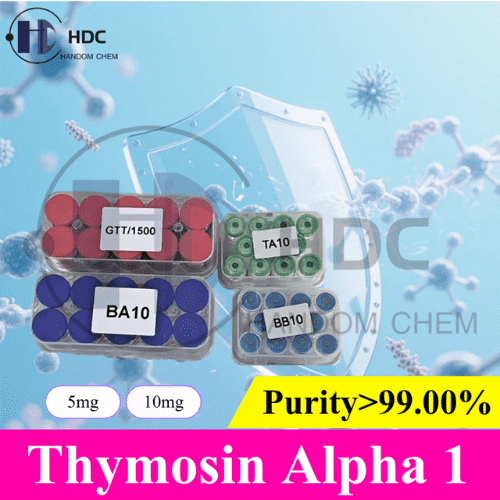
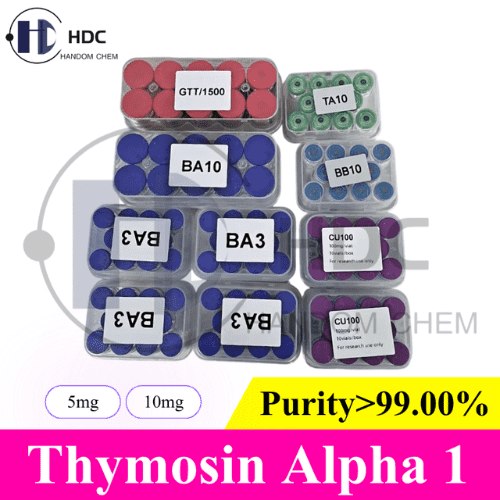
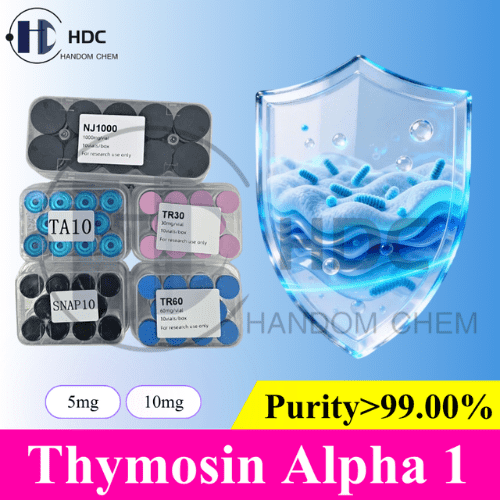
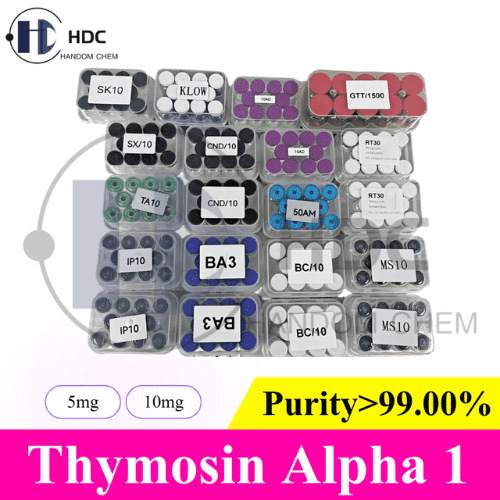
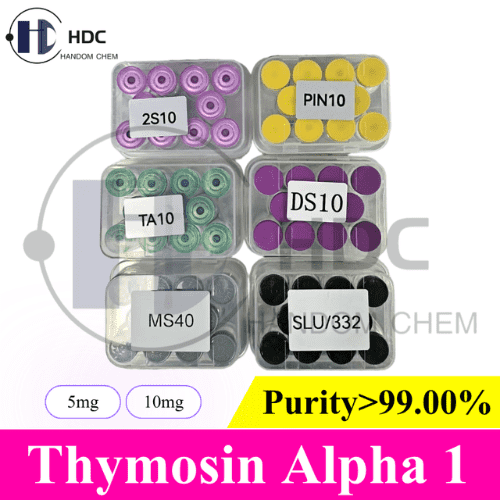
Thymosin alpha 1 5mg/10mg
10.0 USD ($)/Unit
Product Details:
- Usage Thymosin alpha-1 is a 28-amino-acid peptide that modulates and supports immune function. Its synthetic version is known as thymalfasin. Key Clinical Uses Viral Infections: Used internationally as an adjunctive treatment for chronic hepatitis B and C, as well as in studies involving HIV/AIDS and severe acute infections. Cancer and Chemotherapy Support: Studied and utilized in specific settings to reduce chemotherapy-induced toxicity (such as lymphopenia) and support immune response alongside primary cancer treatments. Immune Deficiencies: Administered to help restore T-cell counts, enhance dendritic cell activity, and balance immune system responses. Mechanism of Action Acts as an agonist for Toll-like receptors (such as TLR2 and TLR9). Stimulates the maturation, differentiation, and proliferation of T-cells and other key immune cells. Modulates cytokine production to prevent extreme immune overreactions while bolstering defenses against pathogens.
- HS Code 2937190099
- Purity Not less than 99.00%
- Application medicine
- CAS No 62304-98-7
- Storage Freezer
- Properties Thymosin alpha-1 is a 28-amino-acid N-terminal acetylated peptide hormone naturally produced in the thymus gland, with its synthetic analogue known as thymalfasin. Structural and Chemical Properties Molecular Weight: Approximately 3,108 Da. Composition: A linear chain of 28 amino acid residues derived from the cleavage of prothymosin. Charge/Nature: Acidic molecule (designated in the alpha fraction) and heat-stable. Endogenous Levels: Typically ranges from 0.1 to 1.0 ng/mL in the human body. Biological and Immunological Mechanisms Immune Modulation: Acts as an immune system modulator rather than a simple stimulant, helping balance and restore immune responses. T-Cell Activity: Stimulates T-cell maturation, differentiation, and proliferation (including CD3+, CD4+, and CD8+ cells) and enhances thymic output. Receptor Agonist: Functions as a TLR-2 and TLR-9 agonist (and interacts with TLR4 pathways), activating myeloid and plasmacytoid dendritic cells as well as natural killer (NK) cells. Cytokine Regulation: Modulates and improves the production of key cytokines and interferons (such as IL-2, IL-3, IL-6, IL-10, IFN- , and TNF- ). Antioxidant and Anti-inflammatory Effects: Helps reduce excessive inflammation and supports intracellular glutathione levels.
- Click to View more
X
Thymosin alpha 1 5mg/10mg Price And Quantity
- 10 Unit
- 10.0 USD ($)/Unit
Thymosin alpha 1 5mg/10mg Product Specifications
- 1.563
- Odorless
- C129H215N33O55
- Thymosin alpha-1
- Thymosin alpha 1 is slightly to readily soluble in water (typically achieving a solubility of 1 mg/mL or higher, depending on salt content and pH).
- 62304-98-7
- Freezer
- Thymosin alpha-1 is a 28-amino-acid N-terminal acetylated peptide hormone naturally produced in the thymus gland, with its synthetic analogue known as thymalfasin. Structural and Chemical Properties Molecular Weight: Approximately 3,108 Da. Composition: A linear chain of 28 amino acid residues derived from the cleavage of prothymosin. Charge/Nature: Acidic molecule (designated in the alpha fraction) and heat-stable. Endogenous Levels: Typically ranges from 0.1 to 1.0 ng/mL in the human body. Biological and Immunological Mechanisms Immune Modulation: Acts as an immune system modulator rather than a simple stimulant, helping balance and restore immune responses. T-Cell Activity: Stimulates T-cell maturation, differentiation, and proliferation (including CD3+, CD4+, and CD8+ cells) and enhances thymic output. Receptor Agonist: Functions as a TLR-2 and TLR-9 agonist (and interacts with TLR4 pathways), activating myeloid and plasmacytoid dendritic cells as well as natural killer (NK) cells. Cytokine Regulation: Modulates and improves the production of key cytokines and interferons (such as IL-2, IL-3, IL-6, IL-10, IFN- , and TNF- ). Antioxidant and Anti-inflammatory Effects: Helps reduce excessive inflammation and supports intracellular glutathione levels.
- Not less than 99.00%
- medicine
- Thymosin alpha-1 is a 28-amino-acid peptide that modulates and supports immune function. Its synthetic version is known as thymalfasin. Key Clinical Uses Viral Infections: Used internationally as an adjunctive treatment for chronic hepatitis B and C, as well as in studies involving HIV/AIDS and severe acute infections. Cancer and Chemotherapy Support: Studied and utilized in specific settings to reduce chemotherapy-induced toxicity (such as lymphopenia) and support immune response alongside primary cancer treatments. Immune Deficiencies: Administered to help restore T-cell counts, enhance dendritic cell activity, and balance immune system responses. Mechanism of Action Acts as an agonist for Toll-like receptors (such as TLR2 and TLR9). Stimulates the maturation, differentiation, and proliferation of T-cells and other key immune cells. Modulates cytokine production to prevent extreme immune overreactions while bolstering defenses against pathogens.
- 2937190099
- other
- 1592732-453-0
- Peptides
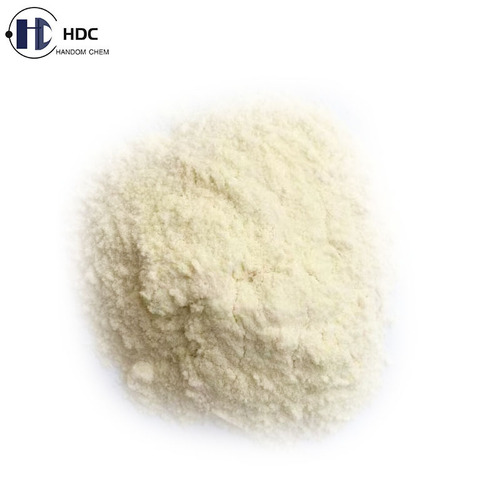
- White powder
- Powder
- Other
- NO
- Research Grade
- 18 Months
- 1.360 0.06 Gram per cubic centimeter(g/cm3)
Thymosin alpha 1 5mg/10mg Trade Information
- Shenzhen or Guangzhou
- Telegraphic Transfer (T/T), Western Union
- 10000 Unit Per Week
- 5 Days
- Yes
- Sample costs shipping and taxes has to be paid by the buyer
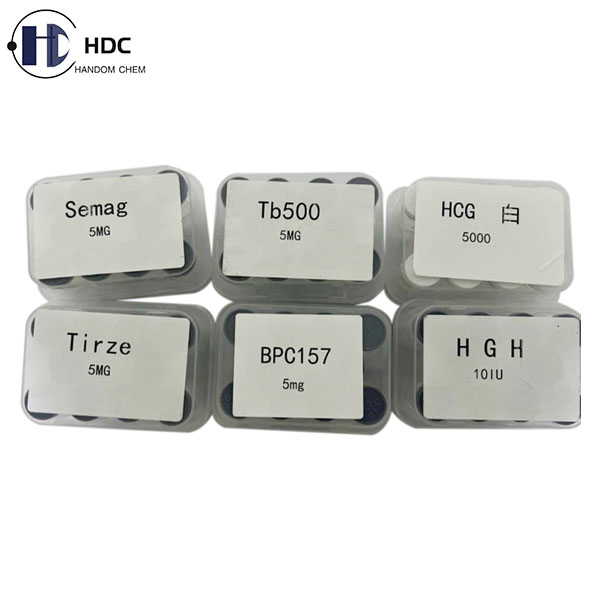
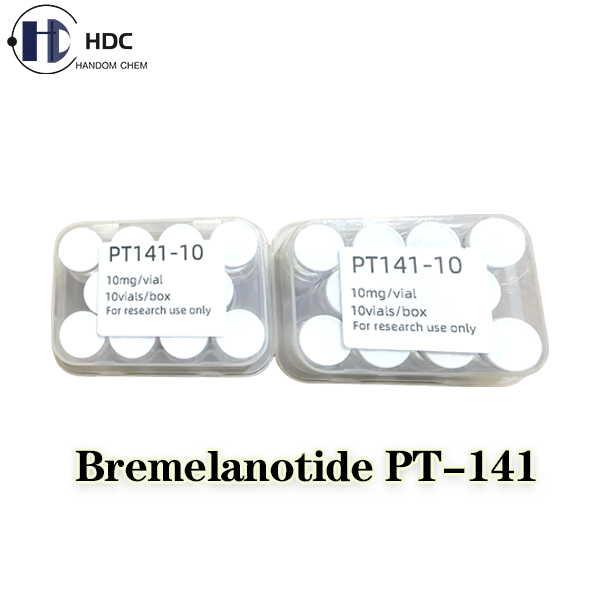
- 10 Vials per Box.
- Asia, Australia, North America, South America, Western Europe
- All India
- GMP, ISO9001
Product Description
Thymosin alpha 1 (T1) is a 28-amino-acid peptide naturally produced by the thymus gland. Its synthetic equivalent is known as thymalfasin (sold under the brand name ZADAXIN).
Key Characteristics
Structure & Origin: It is an N-terminal acetylated acidic peptide derived from the cleavage of the precursor protein prothymosin alpha.
Immune Modulator: Rather than aggressively pushing the immune system up or down, it acts as an immunomodulator (like a coach on the sidelines). It helps mature, balance, and stimulate T cells, dendritic cells, natural killer (NK) cells, and cytokine production via Toll-like receptors (TLR-2 and TLR-9).
History: It was first isolated from thymic tissue in 1977 by Allan Goldstein and colleagues.
Clinical Uses and Applications
Infections: Used or studied for chronic viral hepatitis (B and C), HIV, severe sepsis, and fungal or mold toxicity.
Oncology: Used as an adjunctive or co-therapy in certain cancers (such as melanoma and hepatocellular carcinoma) to help reduce chemotherapy toxicity and support immune function.
Tell us about your requirement

Price:
Quantity
Select Unit
- 50
- 100
- 200
- 250
- 500
- 1000+
Additional detail
Mobile number
Email

Other Products in 'Peptide Preparations' category




Quick Inquiry

Contact Details
DALIAN HANDOM CHEMICALS CO.,LTD.
RM702, Unit 1, Building 21, Liuhe Road, Ganjingzi Dist,Dalian - 116091, Liaoning, China
Phone :--+8615840669648
 Send Inquiry
E-mail us : export@handom-chem.com

 |
DALIAN HANDOM CHEMICALS CO.,LTD.
All Rights Reserved.(Terms of Use) Developed and Managed by Infocom Network Private Limited. |
